A Retirement Hobby Guide Editorial
There’s a moment—sometimes quiet, sometimes oddly anticlimactic—when retirement becomes real.
It might be the first Monday morning when you don’t set an alarm. Or the first time someone asks what you “do,” and you hesitate just a second longer than you used to. It might even feel like a relief at first, followed by something harder to name.
For decades, life had a structure. A rhythm. A built-in sense of purpose that came, at least in part, from showing up somewhere and being needed. Then, almost overnight, that scaffolding disappears.
And that’s when the real question begins:
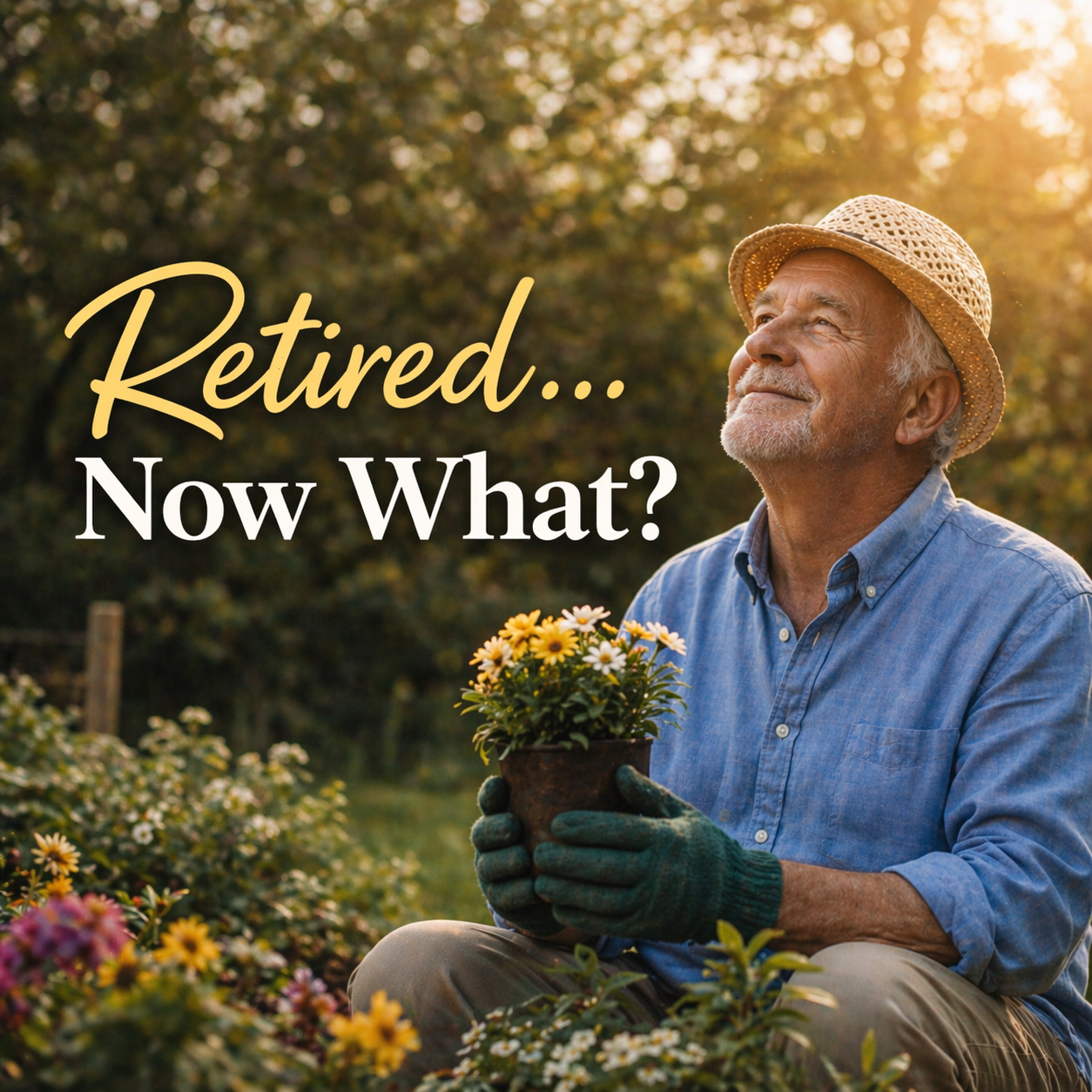
Retired… now what?
This isn’t just a logistical question about how to fill your time. It’s a deeper question—about identity, meaning, energy, and how you want the next chapter of your life to feel.
At Retirement Hobby Guide, we believe the answer isn’t found in a single activity, a travel plan, or a perfectly optimized schedule.
It’s found in something both simpler and more powerful:
Hobbies.
Not as an afterthought. Not as a way to “stay busy.” But as a central pillar of a fulfilling, energized, and meaningful retirement.
This is our manifesto—an argument for why hobbies matter more than most people realize, and how they can quietly reshape what retirement becomes.
The Hidden Challenge of Retirement
There’s a popular narrative about retirement: that it’s a reward. A long-awaited stretch of freedom after years of responsibility.
And in many ways, that’s true.
But what that narrative often leaves out is the adjustment.
Because while work can be stressful, it also provides structure. It organizes your time, gives you goals, and—whether you love your job or not—offers a sense of direction.
When that disappears, something else must take its place.
Without it, days can begin to blur together. Weeks lose their edges. Time—once scarce—suddenly feels abundant, but strangely harder to use.
This isn’t a failure of retirement.
It’s simply what happens when a major source of structure and identity is removed without being intentionally replaced.
And that’s where hobbies come in—not as filler, but as foundation.
Hobbies Are More Than “Something to Do”
It’s easy to underestimate hobbies.
The word itself can feel light. Casual. Optional.
But the truth is, hobbies often serve the same core functions that work once did—without the pressure.
They create structure, purpose, and engagement. They offer a sense of progress. They give you something to look forward to, something to improve at, something to share.
And importantly, they do all of this on your terms.
Research consistently shows that engaging in meaningful activities in later life is associated with better physical health, improved mood, and higher life satisfaction. Organizations like the National Institute on Aging and Harvard Health Publishing have both highlighted the role that purposeful activity plays in healthy aging.
But you don’t need a study to feel it.
You feel it the moment you lose track of time while doing something you enjoy.
You feel it when you get a little better at something you couldn’t do before.
You feel it when you look back on your day and think, that was a good use of time.
That’s not trivial.
That’s meaningful.
The Power of Purpose (Without Pressure)
One of the most profound shifts in retirement is the loss of externally assigned purpose.
No deadlines. No meetings. No one depending on you in the same structured way.
At first, this can feel like freedom.
Over time, it can feel like something is missing.
Hobbies fill that space—not by imposing pressure, but by offering chosen purpose.
There’s a subtle but important difference between something you have to do and something you want to do but choose to commit to anyway.
A morning walk. A weekly painting session. Practicing a musical instrument. Tending to a garden.
These activities create small, self-directed commitments. And those commitments add up to something larger: a sense that your days are intentional.
Purpose in retirement doesn’t need to be grand.
It just needs to be yours.
Hobbies and the Rhythm of Daily Life
One of the most overlooked benefits of hobbies is how they shape time.
Without structure, time can feel abstract—too open, too undefined.
Hobbies give your day a rhythm.
Maybe it’s reading with your morning coffee. Gardening in the afternoon. A walk at sunset. A weekly class. A standing game night.
Individually, these are small things.
Together, they create a pattern.
And that pattern turns empty time into lived time.
This kind of rhythm is closely tied to well-being. Studies on aging and circadian health have shown that consistent daily patterns—when you wake, move, eat, and engage—can improve sleep, energy, and overall health. Again, the National Institute on Aging has emphasized the importance of maintaining structure even after retirement.
Hobbies don’t just fill your time.
They shape it.
Growth Doesn’t Stop at 60
There’s a quiet assumption that learning and growth belong to earlier stages of life.
That retirement is a time to maintain, not to expand.
But that assumption doesn’t hold up.
In fact, many retirees find that this is the first time they can pursue learning without pressure—without grades, deadlines, or expectations.
Hobbies that involve skill-building—like photography, writing, music, or language learning—offer something incredibly valuable: visible progress.
You improve. You adapt. You learn.
And that sense of growth is deeply energizing.
Psychological research, including work related to competence and motivation, shows that people are more engaged when they feel they are getting better at something. It’s one of the core drivers of sustained interest and satisfaction.
In retirement, hobbies become one of the primary ways to experience that.
Not because you need to.
But because you can.
Connection, Without the Formality
Work provides built-in social interaction—some of it meaningful, some of it simply routine.
When that disappears, social connection often requires more intention.
Hobbies naturally create opportunities for connection.
A walking group. A book club. A class. A shared interest that turns into conversation, and then into familiarity.
These interactions are different from workplace relationships.
They’re often more relaxed. More aligned. More chosen.
And that matters.
Social connection is one of the most consistently cited factors in long-term well-being. It doesn’t need to be constant or overwhelming. Even light, regular interaction can have a meaningful impact on mood and overall satisfaction.
Hobbies create those opportunities without forcing them.
They give you a reason to show up—and someone to share it with.
Physical Health, Almost by Accident
Not all hobbies are physically demanding.
But many involve movement, even in subtle ways.
Walking. Gardening. Golf. Dancing. Even hobbies like photography or travel often involve more activity than a sedentary routine.
This kind of movement doesn’t always feel like exercise.
And that’s part of the benefit.
It’s integrated. Enjoyable. Sustainable.
Health organizations, including the World Health Organization, emphasize the importance of regular physical activity for older adults—not just for longevity, but for maintaining independence and quality of life.
Hobbies often provide this naturally.
You move because you want to, not because you should.
And that difference matters.
The Difference Between Passing Time and Living It
Perhaps the most important distinction in retirement is how time is experienced.
It’s possible to pass time in ways that feel easy but ultimately unmemorable.
And it’s possible to spend time in ways that feel engaging, meaningful, and satisfying.
The difference often comes down to active vs passive engagement.
Passive activities—like watching television—have their place. They can be relaxing, comforting, and enjoyable.
But when they dominate, they rarely create a lasting sense of fulfillment.
Active hobbies, on the other hand, involve participation. They ask something of you. They give something back.
They create moments you remember.
They give your day shape, your week variety, and your life texture.
In retirement, where time is abundant, this distinction becomes more important—not less.
It’s Never Too Late to Start
One of the most common misconceptions about hobbies is that they need to be lifelong.
That you either “have them” or you don’t.
But many people discover their most meaningful hobbies later in life.
Without the constraints of a career, there’s space to explore. To try something new. To be a beginner again.
And there’s something quietly powerful about that.
Starting something new in your 60s or 70s isn’t just about the activity itself.
It’s a statement.
That growth is still possible. That curiosity still matters. That this chapter is not just about reflecting on the past, but engaging with the present.
A Different Way to Think About Retirement
What if retirement isn’t the end of something, but the beginning of a different kind of structure?
Not one imposed from the outside, but one created from within.
What if your days weren’t defined by obligations, but by interests?
What if your schedule wasn’t something you endured, but something you designed?
Hobbies are the building blocks of that kind of life.
They don’t require a complete reinvention.
Just a shift in perspective.
From “How do I fill my time?”
to
“What do I want my time to feel like?”
Final Thoughts: Designing a Life You Want to Live
Retirement is often described as freedom.
And it is.
But freedom without direction can feel empty.
Hobbies provide that direction—not in a rigid way, but in a way that’s flexible, personal, and evolving.
They give your days meaning without pressure.
They give your time shape without constraint.
They give your life energy, curiosity, and connection.
So if you find yourself asking, Retired… now what?
Start small.
Try something.
Revisit something you once loved.
Be open to discovering something new.
Because the goal isn’t just to fill your time.
It’s to create a life you actually want to live.
Sources & References
- National Institute on Aging – Healthy aging and lifestyle engagement
- Harvard Health Publishing – Purpose, activity, and well-being
- World Health Organization – Physical activity and healthy aging
- Research on motivation, engagement, and aging psychology (various peer-reviewed sources)
Leave a Reply