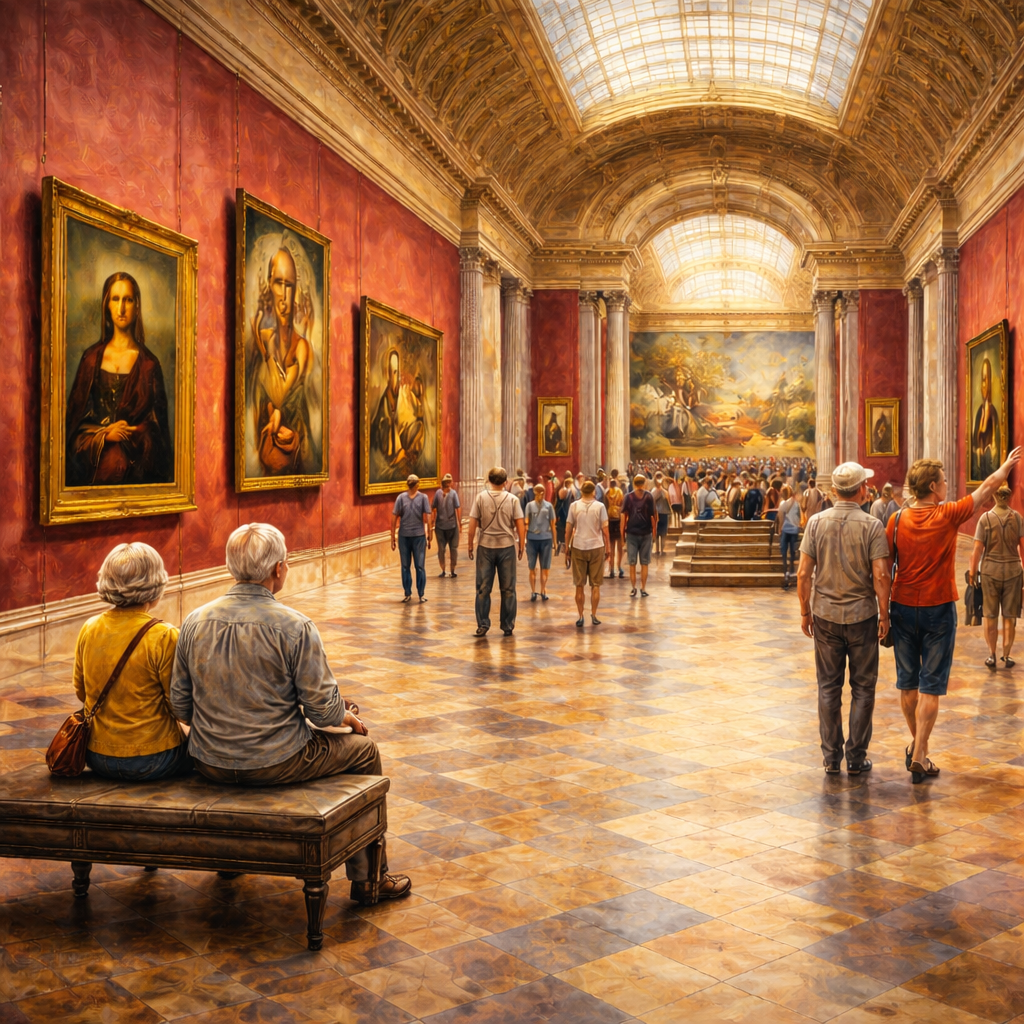
For many retirees, visiting museums becomes one of the most rewarding hobbies of this stage of life. Museums offer a rare blend of education, beauty, and quiet reflection. They invite visitors to slow down, observe carefully, and explore the stories of cultures, artists, and historical moments from around the world.
But museums can also feel overwhelming. Large buildings, long walking distances, crowded galleries, and unfamiliar layouts can turn what should be a relaxing experience into a tiring one.
The good news is that museums today are more accessible than ever. Many institutions actively design experiences with older visitors in mind, offering seating areas, guided tours, audio guides, and even virtual alternatives for those who prefer exploring from home.
With a little planning, museum visits can become one of the most comfortable and enjoyable retirement hobbies you can pursue. Whether you’re exploring a local art museum or visiting a world-class institution while traveling, learning how to approach museums at your own pace can transform the experience entirely.
Retirement Hobby Guide participates in various affiliate programs, which means we may earn commissions on products or services that we recommend. These commissions come at no additional cost to you and help support the operation of this site. We only promote products and services that we believe add genuine value to our readers. For more information, please read our full Privacy & Affiliate Disclosure Policy.
Why Museums Are Such a Wonderful Retirement Activity
Museums provide more than entertainment. They offer a unique form of intellectual stimulation that many retirees find deeply satisfying.
Research suggests that engaging with arts and cultural activities — including museum visits — may support mental well-being and quality of life in older adults. Studies examining museum-based activities have found that art engagement can positively influence emotional health and social connection among older populations.
There is also evidence that participating in arts and cultural activities may be linked to longer life expectancy. A major study following adults over age 50 found that people who engaged with arts activities, such as museum visits, had lower mortality risk compared with those who did not participate in cultural experiences.
For retirees, museums offer several benefits:
They stimulate curiosity and lifelong learning.
They encourage gentle physical activity through walking.
They provide opportunities for social interaction.
They inspire creativity and reflection.
Unlike high-energy activities, museum visits are flexible. You can spend fifteen minutes in a gallery or an entire afternoon exploring exhibitions.

Plan Ahead for a Comfortable Museum Experience
One of the best ways to enjoy a museum visit is to prepare before you arrive.
Many museums are large, and trying to see everything in a single visit can quickly become exhausting. Instead, choose just one or two sections of the museum to explore.
For example, if you are visiting a large institution like the Art Institute of Chicago or the Metropolitan Museum of Art, consider focusing on a specific theme such as Impressionist paintings, American art, or ancient civilizations.
Most museum websites provide maps and suggested visitor routes. Reviewing these in advance helps you avoid unnecessary walking and allows you to prioritize exhibits that interest you most.
Another useful strategy is visiting during off-peak hours. Early weekday mornings or late afternoons tend to be quieter. Fewer crowds mean you can move at a slower pace and spend more time observing artwork without feeling rushed.
Many retirees also benefit from checking accessibility options before arriving. Most major museums provide elevators, benches, wheelchair rentals, and audio guides designed for comfort.
Dress and Prepare for a Long but Enjoyable Walk
Even smaller museums require some walking, so comfort is key.
Choose supportive shoes with good cushioning. Hard museum floors can become tiring after an hour or two.
Dress in layers if possible. Museum temperatures can vary depending on climate control systems designed to preserve artwork.
Bringing a small bag with essentials can also improve comfort. A bottle of water, reading glasses, and a small notebook for jotting down interesting observations can make the experience more enjoyable.
If you enjoy photography, check the museum’s policy before visiting. Some institutions allow photography in certain galleries, while others restrict it.
Take Advantage of Museum Seating
Many retirees assume museums require standing for long periods, but this is rarely the case.
Modern museums intentionally place benches and seating areas throughout galleries. These spaces allow visitors to rest while still appreciating the artwork around them.
Taking regular breaks is one of the best ways to maintain energy and focus. Sitting quietly in front of a painting for several minutes often leads to deeper appreciation than quickly walking past dozens of works.
Some retirees even treat museum visits like a form of meditation. Observing brushstrokes, color patterns, or sculptural details while seated encourages mindfulness and calm reflection.
Consider Guided Tours for Deeper Understanding
Many museums offer guided tours designed specifically for visitors who want to learn more about the collections.
Docent-led tours provide historical context, artistic background, and interesting stories about individual works of art. These tours often move at a relaxed pace and allow time for questions.
For retirees who enjoy structured learning, guided tours can transform a museum visit from simple observation into a deeper educational experience.
Audio guides are another excellent option. These handheld devices or smartphone apps provide commentary about selected artworks as you walk through the museum.
Because audio tours allow you to move at your own pace, they are especially comfortable for retirees who prefer a slower rhythm.
Don’t Try to See Everything
One of the most common mistakes museum visitors make is trying to see the entire museum in one visit.
Large museums can contain thousands of artworks spread across multiple floors. Attempting to see everything often leads to fatigue and “museum burnout.”
Instead, focus on quality rather than quantity.
Choose a few galleries that truly interest you. Spend time observing individual artworks rather than rushing through exhibits.
Many retirees find that returning to the same museum multiple times creates a richer experience than a single long visit.
Over time, you may begin recognizing favorite artists, styles, or historical periods.
Bring a Friend or Join a Museum Group
Museums can be peaceful places for solo reflection, but they can also become social activities.
Many retirees enjoy visiting museums with friends, spouses, or community groups. Sharing impressions of a painting or sculpture often leads to engaging conversations.
Some museums host special senior programs, art appreciation classes, or guided discussion groups.
Participating in these events allows retirees to combine intellectual exploration with social connection — a powerful combination for healthy aging.
Make Museum Visits Part of Travel
Travel and museums naturally complement each other.
Many retirees plan trips around famous museums, such as the Louvre in Paris, the Prado in Madrid, or the Rijksmuseum in Amsterdam.
Visiting museums while traveling allows you to experience artworks in their cultural context. Seeing Italian Renaissance paintings in Florence or Dutch masters in Amsterdam adds depth to the experience.
Even domestic travel offers excellent museum opportunities. Cities such as Chicago, Washington D.C., Los Angeles, and Boston host world-class art institutions.
By incorporating museums into travel plans, retirees can combine cultural learning with exploration.

Explore Museums from Home with Virtual Tours
Not every museum experience requires travel. Today, many of the world’s leading museums offer immersive online tours that allow visitors to explore galleries from home.
Virtual museum tours have become increasingly popular, especially among retirees who enjoy “armchair travel.”
Platforms like Google Arts & Culture partner with thousands of museums and archives to provide digital exhibits, high-resolution images of artwork, and interactive virtual tours.
Some excellent virtual museum experiences include:
The Louvre’s online tours:
https://www.louvre.fr/en/online-tours
These allow visitors to explore sections of the museum’s galleries and architecture remotely.
Google Arts & Culture museum tours:
https://artsandculture.google.com
This platform provides virtual access to over 1,000 museums worldwide.
The British Museum virtual tour:
https://www.britishmuseum.org/british-museum-home
Visitors can navigate galleries using a Street View-style interface.
The Vatican Museums virtual tours:
https://www.museivaticani.va/content/museivaticani/en/collezioni/musei/tour-virtuali-elenco.html
Explore famous spaces like the Sistine Chapel and Raphael’s Rooms online.
Virtual tours allow retirees to zoom into paintings, read detailed descriptions, and explore galleries at their own pace.
They are also an excellent way to preview museums before visiting in person.
Slow Down and Truly Look at Art
One of the greatest joys of retirement is the ability to slow down.
Museums reward slow observation. Instead of rushing through galleries, spend time with individual artworks.
Look closely at brushstrokes, colors, and composition. Consider the historical moment when the artwork was created. Think about what emotions the artist may have intended to evoke.
Some art historians suggest spending five minutes with a single painting — much longer than most visitors typically do.
Retirees often discover that the more time they spend observing, the more details and meaning they notice.
Keep an Art Journal
Some retirees enjoy documenting their museum experiences.
An art journal can be as simple as a small notebook where you record your impressions of artworks you encounter.
You might note:
The name of the artist
The museum where you saw the work
Colors or themes that stood out
Thoughts or emotions the artwork inspired
Over time, these notes create a personal record of your cultural journey.
They also help strengthen memory and deepen appreciation for art.
Final Thoughts
Museums offer one of the most enriching hobbies available in retirement. They combine learning, beauty, history, and quiet reflection in a way few other activities can match.
With thoughtful planning, comfortable pacing, and a spirit of curiosity, museum visits can become deeply enjoyable experiences.
Whether you are wandering through galleries in your hometown, exploring world-famous museums while traveling, or taking virtual tours from your living room, the world of art is always available to discover.
Retirement is the perfect time to look more closely, think more deeply, and appreciate the creativity that has shaped human culture across centuries.
And sometimes, the most memorable museum experience is simply standing quietly in front of a single painting — taking the time to truly see it.
Leave a Reply