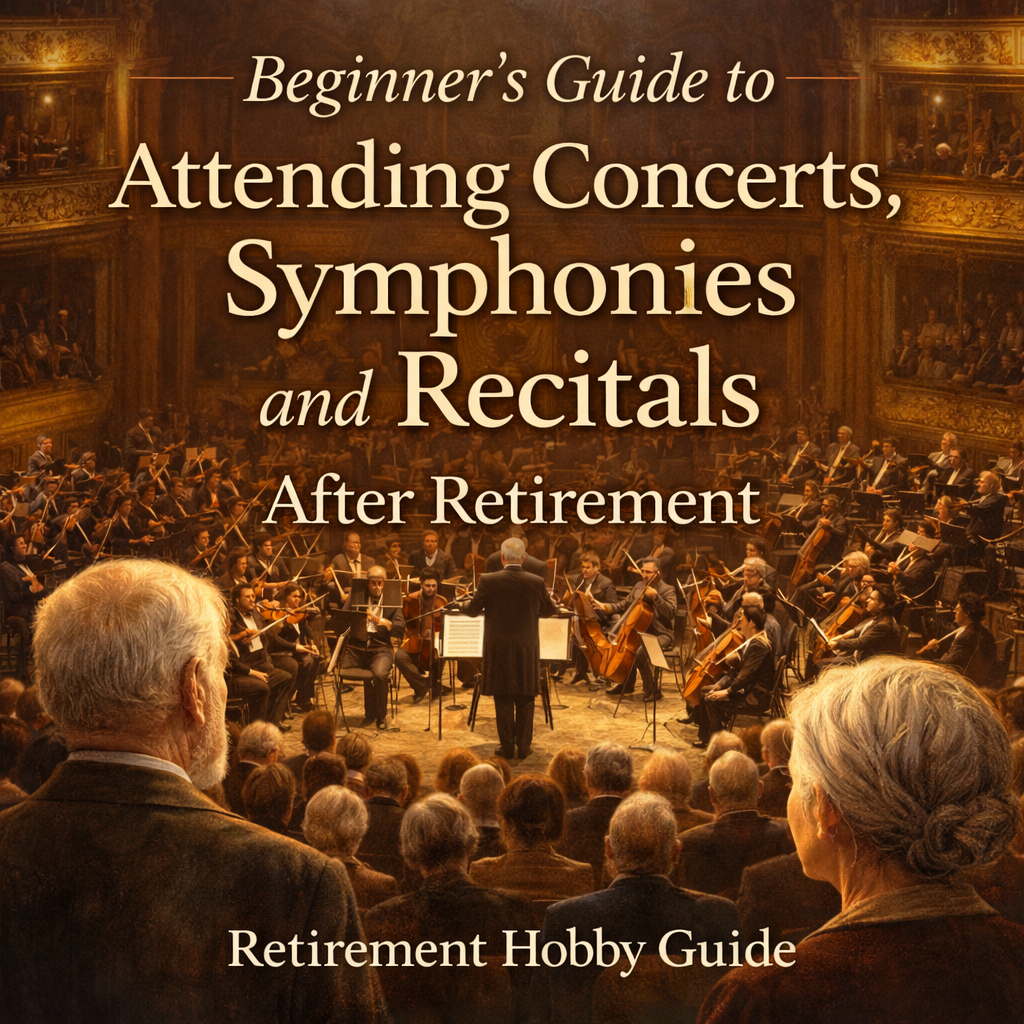
One of the great gifts of retirement is finally having the time—and freedom—to enjoy live music without rushing, planning around work schedules, or worrying about late nights. Concerts, symphonies, chamber performances, and recitals offer retirees something rare: a shared human experience that is both relaxing and stimulating, social yet deeply personal.
If you’ve ever thought, “I’d love to go to more concerts, but I’m not sure where to start,” this guide is for you.
This beginner-friendly Retirement Hobby Guide explains how retirees can attend live music comfortably and confidently, whether you’re brand new to the concert world or returning after many years away.
Why Live Music Is a Wonderful Retirement Hobby
Attending live music is uniquely suited to retirement because it combines several things retirees often seek:
- 🎶 Mental stimulation without stress
- 👥 Social connection without obligation
- 😌 Relaxation with emotional depth
- 📅 Flexible scheduling (matinees, early evenings)
- 🌍 Cultural enrichment and lifelong learning
Unlike many hobbies, live music requires no equipment, no physical training, and no prior expertise. You simply show up, listen, and enjoy.
For many retirees, concerts become small rituals—a reason to get out of the house, dress comfortably but nicely, and enjoy something meaningful.
You Don’t Need Musical Knowledge to Attend a Concert
One of the most common misconceptions is that you need to “understand” music to enjoy it.
You don’t.
You don’t need to:
- Know how to read music
- Recognize composers instantly
- Understand musical terminology
- Dress formally or behave perfectly
Live music is not an exam. It’s an experience.
If you can sit, listen, and notice how the music makes you feel, you are already doing it right.
Types of Live Music Performances (Explained Simply)
Understanding the basic types of performances helps reduce uncertainty and makes choosing events easier.
🎻 Symphony Orchestra Concerts
Large ensembles performing classical works by composers like Mozart, Beethoven, Brahms, or modern composers. These are often held in concert halls and can last 90–120 minutes with an intermission.
Why retirees love them:
- Rich sound
- Structured programs
- Comfortable seating
- Matinee options
🎼 Chamber Music
Smaller groups (string quartets, trios, small ensembles) performing intimate works. Often held in smaller halls, churches, or community spaces.
Why retirees love them:
- Shorter performances
- Close connection to performers
- Softer volume
- Relaxed atmosphere
🎹 Solo Recitals
A single musician—often piano, violin, or voice—performing alone. These performances feel personal and reflective.
Why retirees love them:
- Calming and focused
- Great for beginners
- Easy to follow
🎤 Vocal & Choral Performances
Choirs, opera excerpts, or vocal recitals. These include text and storytelling through music.
Why retirees love them:
- Emotional connection
- Clear narrative
- Often familiar melodies
🎷 Jazz, Folk, and Contemporary Classical
Many retirees enjoy branching beyond traditional classical music into jazz, folk, or modern ensembles.
Why retirees love them:
- Casual atmosphere
- Shorter sets
- Social, welcoming vibe
How to Find Concerts Near You
Finding live music is easier than many retirees expect.
Common Places to Look
- Local symphony orchestra websites
- University or college music departments
- Community arts centers
- Churches and cultural centers
- Local newspapers or event calendars
- Library bulletin boards
- City arts organizations
Many universities offer very high-quality performances at low or no cost, and the audiences are often mixed-age and welcoming.
Matinees Are a Retiree’s Best Friend
One of the biggest advantages of retirement is flexibility—and the live music world caters to it.
Many organizations offer:
- Afternoon performances
- Early evening concerts
- Weekend matinees
These are:
- Easier on energy levels
- Less crowded
- Often less expensive
If you’ve avoided concerts because of late nights, matinees can completely change the experience.
Choosing the Right Seat (Comfort Matters)
Comfort is essential for enjoying live music in retirement.
Tips for Choosing Seats
- Look for aisle seats for easier movement
- Choose seats closer to exits if mobility is a concern
- Avoid extreme front rows (sound can be intense)
- Balcony seats are often quieter and less crowded
- Ask venues about accessible seating
Don’t hesitate to call the box office. Staff are usually happy to help retirees find comfortable options.

What to Wear (No Dress Code Required)
This surprises many retirees: most concerts today have no formal dress code.
Acceptable attire includes:
- Comfortable slacks or skirts
- Sweaters or light jackets
- Comfortable shoes
- Layers (concert halls can be cool)
Dress in a way that makes you feel relaxed and confident. Comfort enhances focus.
Concert Etiquette (Without Anxiety)
Basic etiquette is simple and forgiving.
General Guidelines
- Arrive a bit early
- Silence phones
- Applaud when others applaud
- Sit quietly during performances
If you’re unsure when to clap in classical music, simply follow the audience. No one is judging.
Modern audiences are diverse, and small mistakes are expected.
Making Concerts a Social Hobby (If You Want)
Live music can be enjoyed alone or shared.
Ways to Make It Social
- Invite a friend or partner
- Join a local music club
- Attend pre-concert talks
- Chat with neighbors during intermission
- Participate in post-concert receptions
Many retirees find that attending concerts creates light, low-pressure social connections—perfect for this stage of life.
Concerts as a Learning Hobby
If you enjoy learning, concerts can become part of a larger intellectual hobby.
Simple Ways to Learn More
- Read program notes (no need to memorize)
- Watch short composer videos beforehand
- Listen to recordings of the music ahead of time
- Attend pre-concert lectures
- Keep a simple concert journal
Learning enhances enjoyment—but it’s optional.
Managing Sensory Comfort
Some retirees are sensitive to sound, lighting, or seating.
Helpful strategies:
- Choose smaller venues
- Sit farther back
- Bring earplugs (many musicians do!)
- Take breaks during intermission
- Leave early if needed
There is no obligation to stay for the entire performance if you’re uncomfortable.
Budget-Friendly Tips for Retirees
Live music doesn’t have to be expensive.
Look for:
- Senior discounts
- Subscription packages
- Rush tickets
- University performances
- Community concerts
- Library-sponsored events
Some of the best performances are also the most affordable.
Traveling for Music in Retirement
If you enjoy travel, concerts add purpose to trips.
Popular music destinations:
- Vienna
- Leipzig
- Prague
- Salzburg
- New York
- Chicago
But even regional travel—an hour or two away—can feel special when paired with a concert.
Turning Live Music into a Retirement Routine
The most satisfying approach is gentle consistency.
Examples:
- One concert per month
- Seasonal subscriptions
- Summer outdoor series
- Quarterly “music nights”
Over time, attending concerts becomes something you look forward to, not something you plan around.
Common Concerns (And Why They’re Not a Problem)
❌ “I won’t understand it.”
✔️ Understanding is not required for enjoyment.
❌ “I’ll feel out of place.”
✔️ Audiences today are welcoming and diverse.
❌ “It’s too formal.”
✔️ Most concerts are relaxed and casual.
❌ “I’m too late to start.”
✔️ Many retirees begin attending concerts for the first time after retirement.
Why Live Music Often Feels Better in Retirement
Many retirees say concerts feel different now than they did earlier in life.
Why?
- You’re less rushed
- You’re more present
- You listen more deeply
- You’re more emotionally open
Live music rewards stillness—and retirement makes stillness possible.
Final Thoughts: Let the Music Meet You Where You Are
You don’t need to become an expert.
You don’t need to attend every performance.
You don’t need to understand every note.
You only need to listen.
Live music in retirement isn’t about status or sophistication—it’s about connection, curiosity, and joy.
👉 Explore more enriching retirement hobbies at retirementhobbyguide.com
Your time is finally your own. Let the music fill it.
Leave a Reply