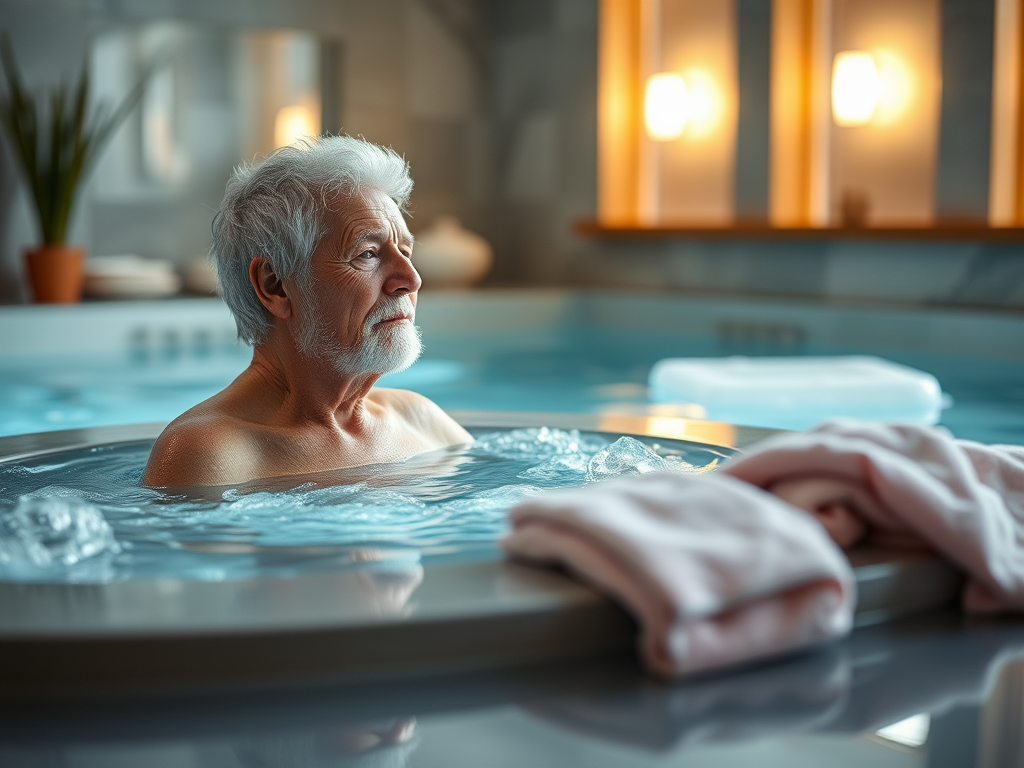
Retirement can be a time of exploration — not just in hobbies, but also in ways to stay healthy, active, and resilient. One wellness trend that’s gained traction in recent years is cold immersion therapy (sometimes called “cold plunging” or “ice baths”). Athletes swear by it, wellness influencers post about it, and medical professionals are increasingly studying it.
But what about retirees? Could cold immersion actually provide health benefits for older adults, or is it a risky practice that should be approached with caution?
This guide breaks down what cold immersion is, the science behind its potential benefits, the risks that are especially important for seniors, and how to approach this practice safely — always with a doctor’s guidance.
❄️ What Is Cold Immersion?
Cold immersion involves submerging your body in cold water, usually between 50–59°F (10–15°C), for short periods of time. There are different ways people practice it:
- Cold showers (the most accessible option).
- Ice baths (a tub filled with water and ice).
- Cold plunge pools (specially designed pools at spas or gyms).
- Natural cold water swimming (lakes, rivers, oceans in colder climates).
Sessions typically last anywhere from 1 to 5 minutes, though some enthusiasts extend them longer. For seniors, shorter and gentler exposure is key if they choose to try it.
🌟 Potential Benefits of Cold Immersion for Seniors
While research is still developing, studies and anecdotal evidence suggest several possible benefits of cold immersion that could appeal to retirees:
1. Improved Circulation
When the body is exposed to cold water, blood vessels constrict (vasoconstriction). Once you rewarm, they dilate (vasodilation). This process may:
- Stimulate circulation.
- Support vascular health.
- Help reduce swelling or inflammation in joints.
2. Reduced Inflammation and Pain Relief
Athletes use ice baths to ease sore muscles, and some evidence suggests cold immersion may help reduce:
- Joint pain (such as arthritis discomfort).
- Muscle soreness after activity.
- Localized inflammation in areas prone to stiffness.
3. Boosted Mood and Mental Resilience
Cold immersion triggers a surge of endorphins and norepinephrine, brain chemicals linked with alertness and positive mood. For retirees, this might help with:
- Managing mild depression or anxiety.
- Combating feelings of isolation or low energy.
- Building resilience through stress adaptation (“hormesis”).
4. Possible Immune Support
Preliminary studies suggest cold exposure may enhance certain immune responses. While this is still debated, some seniors report fewer colds or illnesses after adopting cold immersion as part of their routine.
5. Better Sleep
Some retirees practicing cold plunges or showers report improved sleep quality, likely due to reduced stress and body temperature regulation.
⚠️ Risks of Cold Immersion for Seniors
While the potential benefits sound appealing, seniors need to carefully weigh the risks — and consult with their doctor before trying cold immersion.
1. Cardiovascular Stress
Cold water immersion causes a sudden increase in heart rate and blood pressure. For seniors with:
- Heart disease
- Arrhythmias
- Hypertension
This can be dangerous and even trigger cardiac events.
2. Risk of Shock and Drowning
The initial “cold shock” response can cause:
- Gasping reflex (risk of inhaling water).
- Dizziness or disorientation.
- Shortness of breath.
This makes unsupervised immersion especially risky.
3. Hypothermia
Older adults are more vulnerable to rapid cooling and hypothermia due to decreased fat insulation and circulation changes. Staying in too long, or in excessively cold water, can be very dangerous.
4. Exacerbation of Health Conditions
Cold immersion may worsen:
- Arthritis flare-ups (for some people, not all).
- Asthma (cold air/water can trigger bronchospasms).
- Diabetes-related neuropathy (nerve damage may reduce awareness of cold injury).
5. Fall and Access Risks
Climbing in and out of tubs or cold plunge pools can pose fall risks, especially on slippery surfaces.
🧭 Safety Guidelines for Seniors Considering Cold Immersion
If your doctor gives you the green light, here’s how to reduce risks:
- Start small: Begin with cold showers (30 seconds to 1 minute). Progress gradually.
- Never go alone: Always have someone nearby if trying ice baths or natural water immersion.
- Limit exposure: 1–3 minutes is plenty. Longer doesn’t mean better.
- Avoid very cold extremes: Aim for 50–59°F (10–15°C) rather than ice-cold temps.
- Warm up afterward: Use blankets, warm drinks, or gentle movement to reheat safely.
- Avoid if sick or unwell: Never do cold immersion when you’re ill, fatigued, or dizzy.
- Listen to your body: If you feel chest pain, dizziness, or severe discomfort, stop immediately.

🩺 Talk to Your Doctor First
For retirees, medical clearance is non-negotiable before trying cold immersion. Bring these questions to your healthcare provider:
- Is it safe given my heart health and blood pressure?
- Could it interact with my medications (e.g., blood thinners, beta-blockers)?
- What warning signs should I watch for?
- Is there a safe “starting protocol” for someone my age?
Your doctor may even suggest safer alternatives, such as contrast showers (alternating warm and cool water) or localized cold therapy (ice packs for joints).
🔄 Alternatives to Full Cold Immersion
If your doctor advises against cold plunges, you can still explore cooling therapies with fewer risks:
- Contrast therapy: Alternate between warm and cool showers.
- Localized cold packs: Apply ice to sore joints after gardening, walking, or exercise.
- Cryotherapy chambers: Brief exposure under medical supervision (though more expensive).
- Mind-body cooling techniques: Meditation or breathing practices like the Wim Hof Method (with caution).
📊 Research and References
While much of the evidence is preliminary, here are some credible sources:
- Huttunen, P., Kokko, L., & Ylijukuri, V. (2004). Winter swimming improves general well-being. International Journal of Circumpolar Health, 63(2), 140–144.
- Tipton, M., & Eglin, C. (2012). Cold water immersion: sudden death and prolonged survival. The Lancet, 380(9841), 626–627.
- Jansky, L., et al. (1996). Immune system of cold-exposed and cold-adapted humans. European Journal of Applied Physiology, 72(5-6), 445–450.
- U.S. National Institute on Aging: https://www.nia.nih.gov
- Harvard Health Publishing: Cold exposure: benefits and risks.
✅ Final Thoughts
Cold immersion is one of those retirement wellness trends that sounds exciting, adventurous, and potentially beneficial. And for some retirees, it may indeed offer mood boosts, reduced inflammation, and better sleep.
But it’s not without risks — especially for older adults with underlying health conditions. The key takeaway is this: never attempt cold immersion without first talking to your doctor. If you’re cleared, start gently, always practice safely, and focus on short, manageable exposures rather than extremes.
Retirement is about living well, not chasing dangerous trends. With the right precautions, cold immersion could be another tool in your wellness toolkit — or you may find safer alternatives that deliver similar benefits.
📌 Disclaimer:
The information provided on Retirement Hobby Guide is for educational and informational purposes only. While we share tips and resources related to hobbies, health, lifestyle, travel, and finance, nothing on this website should be considered medical, financial, or professional advice.
We are not doctors, financial planners, or licensed professionals. Before starting any new exercise, health regimen, or financial decision, you should consult with a qualified professional who understands your personal circumstances.
Retirement Hobby Guide makes no guarantees about the outcomes of following the ideas or suggestions shared on this site. By using this website, you agree that you do so at your own discretion and risk.
Leave a Reply